For years, PC gaming had a kind of comforting inertia to it. Windows 10 was the default, Intel kept a healthy CPU lead on Steam, and the GeForce RTX 3060 sat on the GPU throne like it had signed a long-term lease.
June 2026 suggests that lease is ending.
Valve’s latest Steam Hardware & Software Survey shows Windows 11 reaching 70.44% of surveyed systems, the first time it has crossed the 70% mark. At the same time, AMD has climbed to 45.99% CPU share versus Intel’s 54.01%, continuing a slow but very real closing act in one of PC gaming’s longest-running rivalries. The shift is not dramatic enough to look like a coup. It is more interesting than that. It looks like momentum.
Windows 11 Has Finally Become the Default Gaming OS
The biggest headline is the one Microsoft has been waiting for.
According to Valve’s June 2026 survey, Windows 11 64-bit now powers 70.44% of participating Steam systems, while Windows 10 has dropped to 23.56%. Windows overall still dominates the platform at 94.10%, with Linux at 3.69% and macOS at 2.21%. In other words, PC gaming remains overwhelmingly Windows territory, but within that territory the generational handoff is now basically over.
This was always going to happen eventually, but 70% still matters symbolically. It means Windows 11 is no longer “the newer one people are slowly moving to.” It is now the operating system most Steam players are simply on.
Windows 10, meanwhile, is entering the familiar late-stage Microsoft lifecycle where it remains widely used, still perfectly serviceable for many people, and increasingly treated like a guest who should have left the party an hour ago.
The Laptop GPU Story Is Becoming Too Big to Ignore
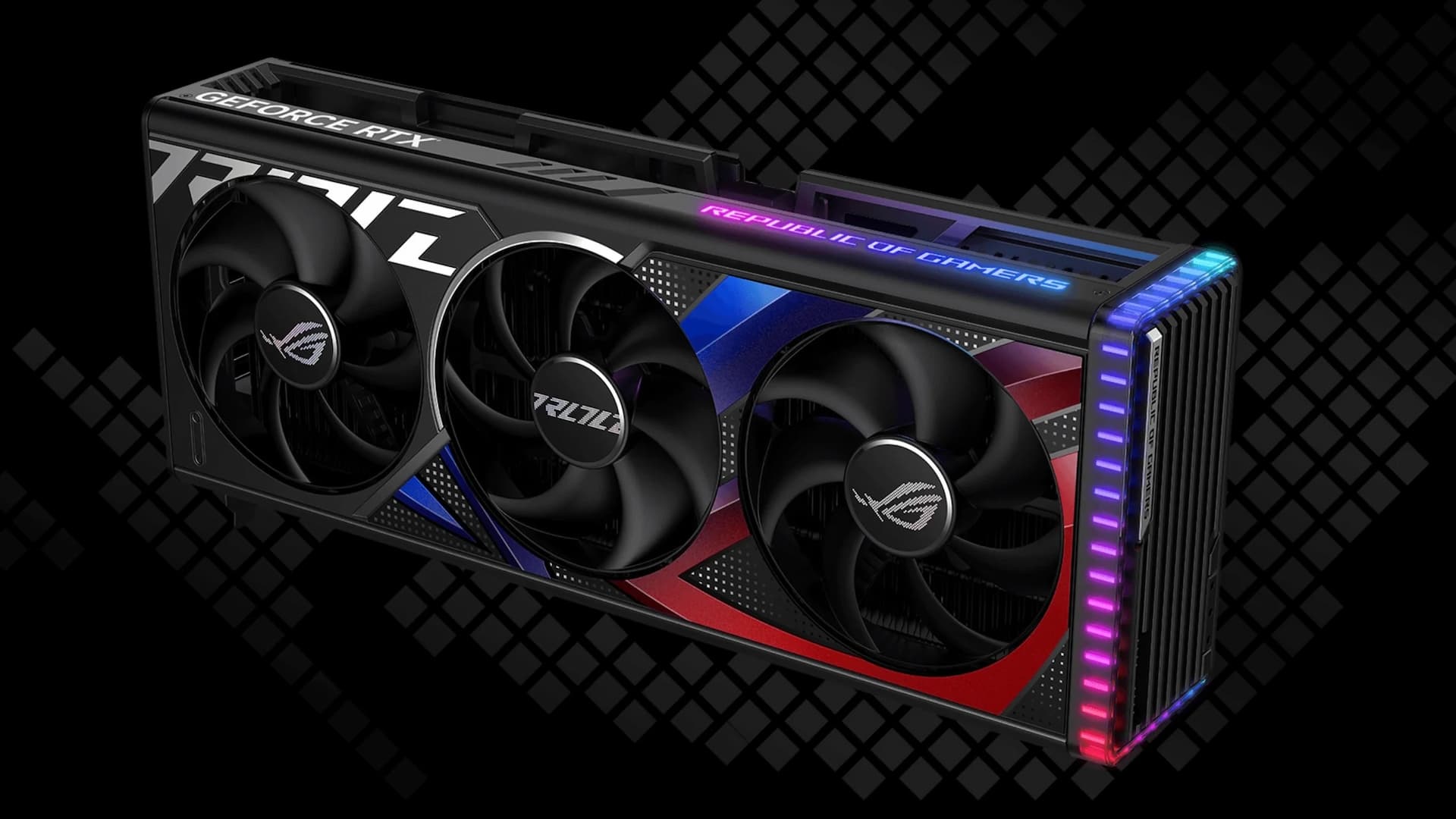
Another notable shift in June’s data is that the GeForce RTX 4060 Laptop GPU has become the most widely used graphics processor in the survey at 3.81%, edging past the desktop RTX 3060 at 3.73%. That is not just a fun leaderboard shuffle. It is a sign of how normal gaming laptops have become in the broader PC market.
The old desktop-first narrative still dominates enthusiast culture, but the Steam survey keeps hinting at a different reality: a huge number of players are gaming on portable machines that are “good enough” to run modern titles, fit into everyday life more easily, and increasingly ship with GPUs that land right in the middle of the mainstream sweet spot.
That does not mean the desktop is dying. PC gamers have been declaring the death of things they still actively use for two decades now. It does mean, however, that laptop GPUs are no longer the side story. They are the story, at least for a growing chunk of the market.
Steam Still Looks a Lot Like 1080p, 16GB, and Practicality
For all the industry marketing about 4K ray-traced everything, Steam’s biggest trends remain refreshingly ordinary.
The most common RAM configuration in June was 16GB at 41.57%, while 1920 × 1080 remained the leading single-monitor resolution at 51.12%. 2560 × 1440 is still climbing, reaching 21.44%, but Full HD continues to rule the mainstream.
That is one reason the Steam survey stays interesting. It is often less a celebration of cutting-edge hardware than a reminder that actual PC gaming is still built around sensible, midrange configurations. Enthusiasts may argue online like everyone is choosing between an OLED ultrawide and a kidney sale, but the average gaming machine remains far more grounded.
Even the memory story points in that direction. Yes, higher-capacity systems are growing, but 16GB still holds the center. PC gaming is modernizing, just not in the all-at-once, ultra-premium way hardware launches would like you to imagine.
AMD’s CPU Climb Is the More Important Long-Term Story
The most strategically interesting part of the survey is still the CPU split.
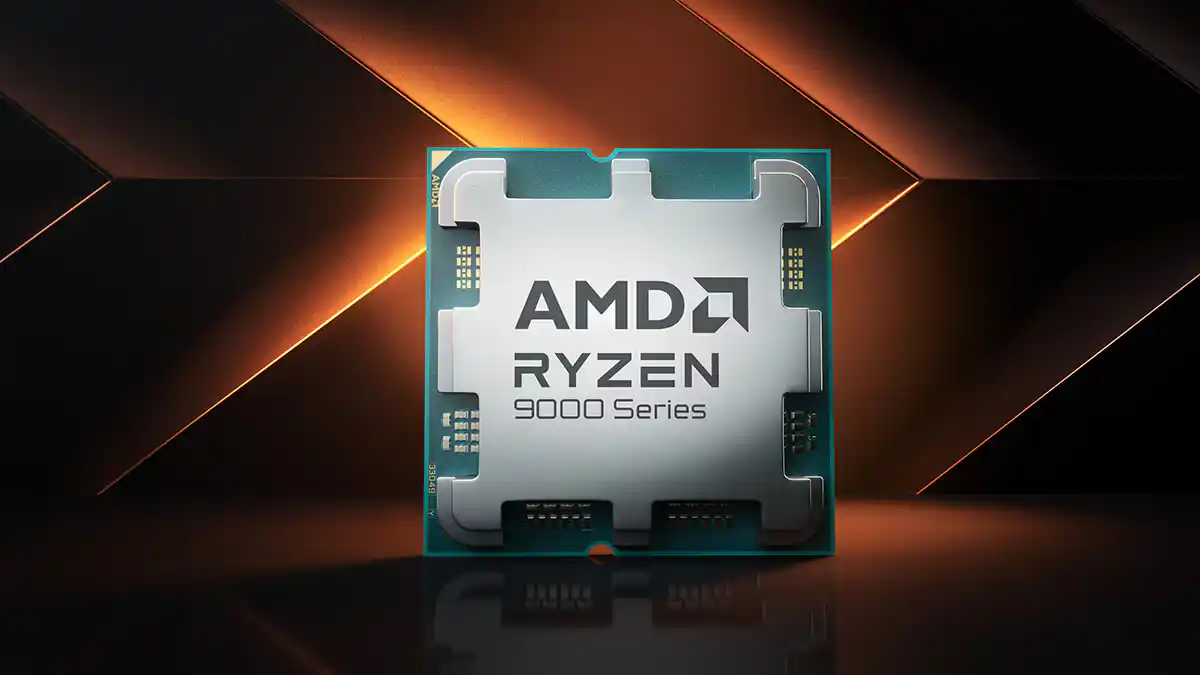
Intel remains ahead on Steam, but its lead keeps shrinking. According to June’s figures reported from Valve’s survey, Intel stands at 54.01% while AMD has reached 45.99%. That is a much tighter race than the one Steam users were used to even a year and a half ago. TechTimes notes that Intel was near 69% in January 2025, meaning AMD has gained roughly 14 percentage points in about 18 months.
That is not a small drift. That is a major market correction.
A lot of this comes down to Ryzen’s long, steady credibility arc. AMD did not win Steam overnight with a single flashy generation. It spent years becoming the safer recommendation, the better-value option, and in the case of X3D chips, often the most exciting gaming CPU choice outright. That kind of momentum compounds. Once enough builders, reviewers, and upgraders start treating one platform as the default smart buy, share shifts stop looking temporary. They start looking structural.
Check out my other article: Esports Has 400 Million Gen Z Fans and a Business Model That Still Barely Works
Could AMD Actually Pass Intel on Steam This Year?
It is no longer a ridiculous question.
If AMD was still sitting in the high 30s, you could write off the conversation as wishful extrapolation. At nearly 46%, it becomes much more plausible. The Steam survey is volatile month to month because it is opt-in, and Valve itself does not present it as a perfect census. But directionally, the trend is now hard to miss: AMD is gaining, Intel is giving ground, and the distance between them is no longer large enough to feel permanent.
That does not guarantee AMD will overtake Intel by December. Momentum is not destiny, and Intel is still far from irrelevant. But the idea that AMD could become the most common CPU brand among Steam gamers by the end of 2026 now sounds less like prediction bait and more like a very live possibility.
The Survey Also Shows What Hasn’t Changed
For all the movement, the Steam hardware snapshot still says something reassuringly consistent about PC gaming.
It remains overwhelmingly Windows-based. Nvidia still dominates the visible GPU stack. Midrange hardware remains king. And despite the rising profile of AI PCs, ultra-premium GPUs, and exotic monitor setups, the actual center of the market is still full of people playing at 1080p or 1440p on machines that look a lot more practical than aspirational.
That is part of what makes the Windows 11 and AMD stories stand out. They are not just flashy one-month anomalies. They are changes happening inside a market that is otherwise pretty conservative. When a user base this large and this habit-driven starts shifting meaningfully, it usually means something deeper is changing underneath the surface.
Final Thoughts
Valve’s June 2026 Steam survey reinforces three big realities.
First, Windows 11 has officially won the migration battle on Steam. Second, gaming laptops are becoming even more central to the market, with the RTX 4060 Laptop GPU now leading the pack. Third, and most interestingly, AMD is no longer just “closing the gap” with Intel in theory. It is doing it in the most visible PC gaming dataset the industry has.
The Steam survey is never the whole market, and Valve’s opt-in methodology always leaves room for wobble. But sometimes the wobble still points in a very clear direction.
Right now, that direction looks like this: Windows 11 is the default, laptops are rising, and Intel’s comfortable old CPU lead is starting to look a lot less comfortable.